
Embark on a journey through the sandy dunes and starlit skies with our ultimate guide to desert camping and glamping tips. From essential gear to luxurious amenities, get ready to elevate your outdoor experience to a whole new level!
Whether you’re a seasoned adventurer or a novice camper, this guide has everything you need to know to make your desert escapade unforgettable. So, grab your sunscreen and sense of adventure as we dive into the world of desert camping and glamping!
Desert Camping Tips
Camping in the desert can be a unique and rewarding experience, but it also requires careful planning and preparation. Here are some essential tips to ensure a successful desert camping trip.
Essential Gear and Equipment
- Quality tent or shelter to protect from the elements and insects.
- Sleeping bag rated for cold nights, as desert temperatures can drop significantly.
- Plenty of water to stay hydrated, as the desert heat can be intense.
- Sun protection like hats, sunglasses, and sunscreen to prevent sunburn.
- Navigation tools such as a map, compass, or GPS device to avoid getting lost.
Safety Measures
- Inform someone of your camping plans and expected return date.
- Carry a first aid kit and know basic first aid skills.
- Avoid hiking during the hottest parts of the day to prevent heat exhaustion.
- Be aware of wildlife and snakes in the area, and keep a safe distance.
Locating a Suitable Campsite
- Look for flat ground away from washes or dry riverbeds that can flood during rain.
- Choose a spot with natural windbreaks like rocks or bushes to protect your campsite.
- Avoid setting up camp near cliffs or steep slopes to prevent accidents.
Staying Cool in Hot Desert Days
- Wear lightweight and breathable clothing to stay cool and protect from the sun.
- Use a portable shade like a canopy or tarp to create a sheltered area at your campsite.
- Stay hydrated by drinking plenty of water throughout the day.
- Take breaks in the shade and avoid strenuous activities during peak heat hours.
Desert Glamping Tips
When it comes to desert glamping, luxury and comfort can still be achieved in the midst of the rugged landscape. From unique accommodations to cozy setups, here are some tips to enhance your glamping experience in the desert.
Luxury Amenities for Desert Glamping
Adding luxury amenities can elevate your desert glamping experience. Consider including the following:
- Luxurious bedding with high thread count sheets
- Plush rugs for added comfort
- Solar-powered lights for eco-friendly illumination
- Portable air conditioning units for hot desert nights
- Outdoor seating areas with cozy cushions
Unique Accommodation Options for Desert Glamping
There are various unique accommodation options to choose from for desert glamping:
- Luxury tents with full-size beds and en-suite bathrooms
- Yurts with traditional decor and modern amenities
- Converted vintage trailers with stylish interiors
- Geodesic domes for a futuristic glamping experience
Creating a Cozy Glamping Setup
A cozy and comfortable glamping setup is essential for a relaxing stay in the desert. Here are some tips:
- Layer blankets and throws for warmth during chilly desert nights
- Add rugs and floor cushions for a cozy seating area
- Use solar-powered fairy lights to create a magical atmosphere
- Set up a portable fire pit for roasting marshmallows under the stars
Balancing Luxury with Sustainability
It’s important to balance luxury with sustainability when glamping in the desert. Here’s how you can do it:
- Choose eco-friendly products and amenities for your glamping setup
- Minimize waste by using reusable dishes and utensils
- Limit water usage by taking shorter showers and reusing towels
- Offset your carbon footprint by supporting local conservation efforts
Mountain Travel
When it comes to camping, the experience can vary greatly depending on the location. Mountain camping offers a whole different set of challenges and rewards compared to desert camping. From the terrain and weather conditions to wildlife encounters and altitude sickness, mountain camping requires a different approach and preparedness. Let’s delve into the specifics of mountain travel and camping.
Differences between Desert and Mountain Camping
- Mountain camping usually involves cooler temperatures and unpredictable weather patterns, while desert camping is characterized by extreme heat during the day and cold nights.
- The terrain in mountains can be more rugged and steep, requiring more physical endurance and technical skills compared to the flat desert landscapes.
- Wildlife encounters are more common in mountainous regions, with bears, mountain lions, and other animals posing potential risks to campers.
Safety Tips for Mountain Camping
- Acclimate to the altitude slowly to avoid altitude sickness, stay hydrated, and be mindful of any symptoms such as headache, nausea, or dizziness.
- Properly store food to prevent attracting wildlife to your campsite, and follow bear safety protocols in bear country.
- Check the weather forecast before heading out and be prepared for sudden changes in weather conditions by packing layers and waterproof gear.
Challenges and Rewards of Mountain Camping
- Challenges: Dealing with altitude sickness, navigating rugged terrain, encountering wildlife, and braving unpredictable weather conditions.
- Rewards: Breathtaking views, solitude, the sense of accomplishment from conquering challenging hikes, and the opportunity to connect with nature on a deeper level.
Essential Gear for Mountain Camping
- A reliable tent that can withstand wind and rain, along with a warm sleeping bag rated for cold temperatures.
- Proper hiking boots with ankle support for navigating rocky terrain, and layers of clothing to stay warm and dry.
- A quality backpack with essentials such as a first aid kit, navigation tools, water purification system, and high-energy snacks.
Desert Travel
When it comes to travel, the allure of desert landscapes is undeniable. The vast and arid expanse of sand dunes, rocky terrain, and unique flora and fauna make desert destinations some of the most intriguing places to explore.Deserts are not just empty stretches of sand; they are teeming with life and culture. From the Sahara Desert in Africa to the Atacama Desert in South America, each desert has its own unique characteristics and attractions that draw travelers from around the world.
Popular Desert Destinations
- The Sahara Desert in Africa, known for its mesmerizing sand dunes and camel treks.
- The Arabian Desert in the Middle East, offering luxury desert resorts and thrilling dune bashing experiences.
- The Mojave Desert in the United States, home to Joshua Tree National Park and unique desert flora.
Cultural Experiences
- Immerse yourself in the rich Bedouin culture of the Arabian Desert, with traditional music, dance, and cuisine.
- Explore ancient rock art and archaeological sites in the Namib Desert of Namibia.
- Attend a desert festival like the Burning Man in Nevada’s Black Rock Desert for a unique cultural experience.
Staying Hydrated and Protected
- Drink plenty of water to stay hydrated in the desert heat, even if you don’t feel thirsty.
- Wear loose, light-colored clothing to protect yourself from the sun and prevent heat exhaustion.
- Use sunscreen with a high SPF to shield your skin from the intense desert sun.
- Seek shade during the hottest part of the day and avoid strenuous activities to prevent dehydration.
Arctic & Polar Travel
Traveling to the Arctic and polar regions can be an exhilarating experience, but it also comes with its own set of challenges. From extreme cold temperatures to unique wildlife encounters, there are many factors to consider when embarking on a journey to these icy environments.
Extreme Conditions in the Arctic
Arctic and polar regions are known for their harsh weather conditions, with temperatures dropping well below freezing. It is crucial to be prepared for extreme cold and strong winds that can make it feel even colder. Proper clothing, gear, and shelter are essential to staying warm and safe in these icy environments.
Tips for Staying Safe and Warm
- Layer clothing to trap heat and insulate your body.
- Wear moisture-wicking materials to stay dry and avoid hypothermia.
- Invest in high-quality cold-weather gear, such as insulated jackets, gloves, and boots.
- Always carry emergency supplies, including a first aid kit, food, and water.
- Stay informed about weather conditions and be prepared for sudden changes.
Unique Wildlife Encounters
The Arctic and polar regions are home to a variety of unique wildlife, including polar bears, whales, seals, and seabirds. Encountering these animals in their natural habitat can be a once-in-a-lifetime experience, but it is important to observe them from a safe distance and respect their environment.
Eco-Friendly Practices
- Choose eco-friendly tour operators that prioritize sustainability and conservation.
- Minimize waste and pack out all trash to leave no trace in these fragile ecosystems.
- Follow designated trails and guidelines to avoid disturbing wildlife and their habitats.
- Reduce energy consumption by opting for energy-efficient accommodations and transportation options.
Jungle & Rainforest Travel
Exploring the lush jungles and vibrant rainforests can be an exciting adventure for nature enthusiasts. However, camping in these dense and humid environments poses a different set of challenges compared to the arid desert landscapes. Let’s delve into the unique aspects of jungle and rainforest travel.
Comparing Desert Camping to Jungle Camping
When comparing camping in the desert to camping in the jungle, the main differences lie in the environment itself. While deserts are characterized by extreme heat, minimal vegetation, and scarce water sources, jungles are known for their dense foliage, high humidity levels, and abundant wildlife. In the desert, the focus is on staying cool and hydrated, while in the jungle, campers must navigate through thick vegetation and be prepared for sudden rain showers.
Safety Precautions in Jungle Travel
Safety is paramount when venturing into the jungle. Here are some specific precautions to consider:
- Stay on designated trails to avoid getting lost in the dense vegetation.
- Protect yourself from mosquito-borne illnesses by using insect repellent and wearing long sleeves and pants.
- Be cautious of venomous snakes and spiders by shaking out clothing and shoes before putting them on.
- Carry a first aid kit with supplies for treating cuts, insect bites, and other common jungle-related injuries.
Biodiversity and Wildlife in Jungle Destinations
Jungles are teeming with diverse plant and animal species, offering unique wildlife experiences. From colorful birds and exotic insects to elusive big cats and primates, the biodiversity in jungle destinations is truly awe-inspiring. Exploring these ecosystems allows travelers to witness nature in its purest form and gain a deeper appreciation for conservation efforts.
Navigating Dense Vegetation and Humidity in the Jungle
Navigating through dense vegetation in the jungle can be challenging but rewarding. Here are some tips for dealing with the lush greenery and high humidity:
- Carry a machete or small saw to clear paths and make way through thick vegetation.
- Wear quick-drying clothing to combat the humidity and prevent discomfort from sweat-soaked garments.
- Stay hydrated by drinking plenty of water and electrolyte-rich fluids to combat the effects of sweating in the humid environment.
- Use a compass or GPS device to maintain your bearings in the maze-like jungle terrain.
Coastal & Beach Travel
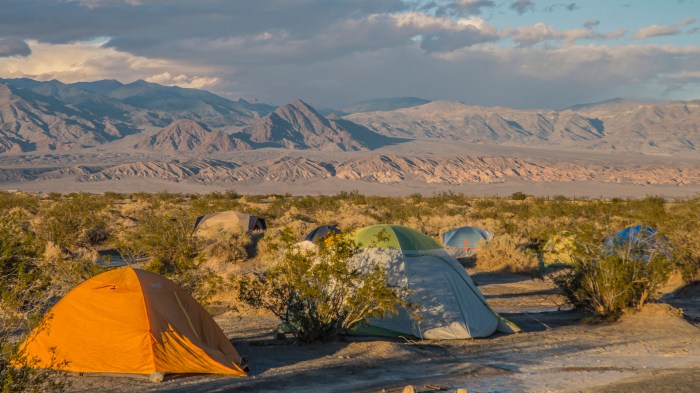
When it comes to coastal and beach travel, camping by the ocean offers a completely different experience compared to desert camping. While both can be incredibly rewarding, there are some key differences to keep in mind.One major difference is the presence of water – obviously abundant at the beach but scarce in the desert. This means that beach camping provides the opportunity for water-based activities like swimming, surfing, and kayaking, while desert camping focuses more on land-based exploration and survival.
Similarities and Differences
- Similarity: Both types of camping require careful planning and preparation to ensure a safe and enjoyable experience.
- Difference: Coastal camping involves water safety considerations, such as monitoring tides, currents, and potential hazards like jellyfish or strong waves.
- Similarity: Both settings offer stunning natural landscapes and the chance to disconnect from the hustle and bustle of daily life.
- Difference: Beach camping allows for a variety of water activities, while desert camping focuses on hiking, stargazing, and wildlife observation.
Water Safety Considerations
When camping at the beach, it’s crucial to prioritize water safety. Always swim in designated areas with lifeguards present, never swim alone, and be aware of rip currents and changing tide conditions. It’s also important to stay hydrated and protect yourself from the sun while enjoying the water.
Tips for Enjoying Beach Activities
- Bring sunscreen, sunglasses, and a hat to protect yourself from the sun’s rays.
- Pack water shoes for walking on hot sand and rocky shorelines.
- Try beach yoga or meditation to relax and connect with nature.
- Collect seashells, build sandcastles, or go beachcombing for treasures along the shore.
Beach-Friendly Camping Gear
| Item | Description |
|---|---|
| Portable beach chair | Provides a comfortable seat for relaxing by the water. |
| Beach tent or canopy | Offers shade and protection from the sun during the day. |
| Cooler with ice packs | Keeps drinks and snacks cold in the heat. |
| Waterproof phone case | Protects your device from water damage while capturing beach memories. |
Last Word
As the sun sets on our desert adventure, we hope you’ve gathered valuable insights and inspiration to plan your next outdoor excursion. Remember, whether you choose rugged camping or glamorous glamping, the desert has something magical to offer for everyone. So, pack your bags, chase the horizon, and create memories that will last a lifetime!
Quick FAQs
What should I do if I encounter wildlife while desert camping?
Stay calm, avoid sudden movements, and slowly back away from the animal. Do not feed or approach wildlife.
How can I ensure sustainability while glamping in the desert?
Use biodegradable products, minimize waste, and respect the natural environment during your stay.
Is it safe to camp in the desert during extreme heat?
It’s crucial to stay hydrated, seek shade during peak sun hours, and wear light, breathable clothing to prevent heat-related illnesses.


